Aruba Snorkeling and Diving Guide: Best Spots
Aruba's best snorkel and dive spots: turtle-friendly Tres Trapi, the SS Antilla wreck, shore reefs, dive courses, and catamaran cruises with 2026 prices.
Aruba's best snorkeling and diving sits along its calm, sheltered west coast, where visibility regularly runs 60 to 100 feet and shore-access coves put reef, wrecks and sea turtles within a short swim of the sand. Tres Trapi is the spot for turtles, Boca Catalina and Malmok Beach deliver the easiest reef access, and the SS Antilla, a WWII-era wreck lying in Malmok Bay, is one of the largest sunken ships in the Caribbean and shallow enough to see the top of the hull without a tank.
This guide covers every named shore snorkel spot, the Antilla wreck, what a PADI certification or guided dive costs in 2026, catamaran cruises, and the gear and reef-etiquette rules that keep a day safe, then closes with an FAQ.
Where to snorkel and dive, at a glance
Aruba's west coast is sheltered from the easterly trade winds, so these coves stay calm even on windier days. The beaches below are shore-access and free to enter with your own gear.
| Spot | Best for | Depth | Notes |
|---|---|---|---|
| Tres Trapi | Sea turtles | Shallow, beyond the buoy markers | Best 6 to 11 AM before turtles move deeper |
| Boca Catalina | Easy reef, beginners | About 15 ft (5 m) | No vendors on site, mornings quietest |
| Malmok Beach | Shore reef, near the Antilla | Reef starts 65 to 100 ft (20 to 30 m) out | Bring your own gear, no rental on site |
| Arashi Beach | Beginners, left side only | 1 to 5 ft in the shallows | Right end has currents, skip it |
| Mangel Halto | Best reef and clarity overall | Inner lagoon shallow; outer reef past 100 ft | Outer reef for strong swimmers only |
| Baby Beach | Families, calm lagoon | Shallow throughout the marked area | Stay inside the marked snorkel zone |
| SS Antilla | Wreck snorkeling and diving | 5 to 18 m (15 to 60 ft) | Reach it by boat, not by swimming from shore |
Tres Trapi: the turtle spot
Tres Trapi, Papiamento for "three steps," is a small rocky cove on Aruba's northwest coast near Noord, reached by steps carved into the rock (water shoes help). Parking is free but limited. Sea turtles feed on the seagrass beyond the buoy markers, making this the most reliable turtle encounter on the island.
Go early: turtles are most active roughly 6 to 11 AM, then move into deeper water later. There is no gear rental on site, so bring your own mask, snorkel and fins.
Boca Catalina, Arashi and Malmok
Boca Catalina
Boca Catalina is a small, secluded bay near Malmok on the road toward the California Lighthouse, roughly a 5-minute drive from the Palm Beach high-rises. Steps lead down from a spacious roadside parking area to water around 15 ft (5 m) deep, over a shallow coral reef holding boxfish, wrasse, angelfish, blue parrotfish and juvenile grunts, with green turtles occasionally in the nearby deeper seagrass. No food, drink or gear vendors on site; mornings are quieter before tour boats arrive.
Arashi Beach
Arashi Beach sits at the island's northern tip just beyond Malmok, with a large free parking lot and clear signage. The beginner-friendly snorkeling is on the left side facing the sea, where you can wade out to the reef edge in shallow water (roughly 1 to 5 ft) and see parrotfish, yellowtail snapper, sergeant majors and blue tangs. The far right end is different: a long swim through wavy water with currents and surge that risk coral damage and injury, not a beginner area. About a dozen free palapas plus a snack shack and beach bar round things out.
Malmok Beach
Malmok Beach is a narrow beach with a rocky shoreline in places, widely considered the most accessible shore snorkeling on the island. The reef starts close to shore, roughly 20 to 30 m (65 to 100 ft) out, over coral holding parrotfish, surgeonfish, sergeant majors and French angelfish. Parking is limited; no gear rental, so bring your own. Malmok is also the closest shore point to the SS Antilla, covered below.
Mangel Halto: the best reef on the island
Mangel Halto sits near Pos Chikito on Aruba's southeastern coast, close to Savaneta, and is widely rated as having the best reef and clearest water on the island. It sits inside a designated marine reserve within the Aruba Marine Park, established in December 2018 and managed by the Aruba Conservation Foundation.
The inner lagoon is calm and shallow, suited to beginners, kayaking and paddleboarding, framed by mangroves that give shade and double as marine nurseries. The outer reef is for strong swimmers only, and only in calm conditions, since currents run strong; entry can be rocky, so water shoes help. Divers get more range: the reef drops off past 30 m (100 ft), and a small tugboat wreck sits in a bowl-shaped dive site at about 12 m (39 ft).
Baby Beach: the calm family lagoon
Baby Beach is a shallow, sheltered, man-altered lagoon near San Nicolas in southern Aruba, roughly a 45-minute drive from the Palm Beach hotel strip. The water stays calm and shallow enough to wade far out and still touch bottom, which suits young children and inexperienced swimmers well. Official guidance points to where the bay opens to the ocean for the best reef life, with one caveat: stay within the marked snorkel area.
Outside the marked area, especially near the channel and breakwater where the lagoon meets the open sea, currents strengthen (worse at high tide), and the open-reef area beyond the bay is considered dangerous. Stick to the marked zone and Baby Beach is one of the safest, easiest snorkel days on the island. Amenities include a refreshment stand, Big Mama's Grill nearby, rental of beach beds and snorkel gear, free shade huts, a nearby dive shop and restrooms.
The SS Antilla: Aruba's signature wreck
The SS Antilla was a German cargo ship built in Hamburg for the Hamburg America Line, launched 21 March 1939. At 398.3 ft (121.4 m) long, it ranks among the largest shipwrecks in the Caribbean (sources differ on the exact ranking). Its German crew scuttled the ship in Malmok Bay on 10 May 1940, opening the seacocks and setting fires aboard to keep Dutch authorities from seizing it at the start of WWII.
The wreck now lies on its port side in up to 60 feet (18 m) of water. Its shallowest section sits only a few feet below the surface, around 15 ft (5 m), so snorkelers can see the top of the hull without diving gear, while the deeper sections down toward 55 to 60 ft require a tank. Storm damage broke the wreck in two amidships by 1953, and it has continued to settle since, with the mast and funnel largely collapsed into the hull, slow long-term deterioration rather than a recent event; some operators now advise against penetrating the interior. Coral and tube sponges colonize the hull, drawing lobsters, hawksbill turtles, moray eels, blue tang and reef fish.
Do not attempt to reach the Antilla by swimming from Malmok Beach; the channel current can be deceptively strong. The recommended way in is by boat, on a dedicated wreck dive or as a stop on a snorkel sail, covered next.
Certification, courses and guided dives
Aruba has "eleven wrecks and over twenty dive sites," per VisitAruba's official scuba diving page, plenty for a multi-day dive trip without repeating a site.
Discover Scuba Diving
A one-day introductory dive, no certification required, gives a brief orientation followed by a supervised open-water dive. Minimum age 10, pricing around 115 USD as of 2026.
PADI Open Water certification
A full PADI Open Water Diver course takes about 2.5 to 3 days, minimum age 10. Published full-course prices with eLearning at the operators checked range from 565 to 615 USD; referral and in-water-only training are separate products.
Guided dives for certified divers
Single- and two-tank guided boat dives are readily available. As a rough 2026 benchmark, a single-tank dive runs roughly 80 to 100 USD depending on your own gear or rental, and a two-tank dive roughly 110 to 145 USD on the same basis.
Operators include Pure Diving Aruba, Happy Divers Aruba, Red Sail Sports Aruba, S.E. Aruba Fly 'N Dive, JADS Dive Center and Aruba Bob Snorkel & Scuba; compare a couple on price and whether rental is bundled in.
Catamaran and snorkel sail cruises
A guided snorkel sail covers several sites, including the Antilla, without arranging transport or gear yourself. Most cruises run 2 to 4 hours with two to three stops, commonly the Antilla paired with Boca Catalina, and include an open bar plus snorkel gear, often with lunch, BBQ or snacks folded in.
Jolly Pirates runs two traditional 85-foot teak schooners on daily snorkel and sunset sails departing from MooMba Beach in Noord. 2026 prices: a four-hour morning sail (three sites, BBQ, open bar) from 98 USD; a three-hour afternoon sail to Boca Catalina and the Antilla with open bar, 76 USD adults / 54 USD youth to age 10; and a two-hour sunset cruise with open bar, from 59 USD.
De Palm Tours' Palm Pleasure catamaran runs a four-hour Morning Snorkel Adventure (9 AM to 1 PM) stopping at the Antilla, Boca Catalina and Malmok, with gear, snacks, open bar and lunch, 109 USD per person for ages 10 and up. Its Sunset Sail runs about two hours from the De Palm Pier, includes tropical treats and open bar, from 95 USD for adults and children ages 3 to 9, subject to seasonal changes. Across operators, expect Aruba's guided snorkel sails from about 59 USD for a short sunset trip up to around 110 to 125 USD for a longer trip with lunch, as of 2026.
Gear rental, conditions and reef etiquette
Renting gear
Several island companies rent gear. Coconut Rentals prices a basic mask and snorkel set at 7 USD per day, 10% off for three or more days and 15% off for five or more. Full mask, snorkel and fin sets from other operators run higher, roughly 15 to 25 USD per day. Other rental companies include Adventure Sports Aruba, Aruba Active Vacations, JADS Aruba and Vela Aruba. Malmok and Boca Catalina have no on-site rental; Baby Beach and some other spots do.
Visibility, wind and the best time of day
Underwater visibility is consistently excellent, generally 60 to 100 ft (18 to 30 m), rarely below 50 ft (15 m). The clearest water is on the sheltered west coast, and mornings, roughly 8 to 11 AM, are best before wind and boat traffic increase. Sea temperature runs roughly 26 to 28.5C (79 to 83F) year-round, coolest January through March, warmest September through November. Trade winds blow from the east nearly all year; the windy season runs roughly May through October, June the windiest month, while October brings the lightest winds and calmest sea surface, part of why late September and October appeal to snorkelers despite falling in the technical rainy season. There is no genuinely bad season here; see our best time to visit Aruba guide for the calmest window if timing is flexible.
Reef and wildlife etiquette
Aruba banned sunscreens containing oxybenzone in 2019 (phased in through 2020), so pack a mineral, reef-safe sunscreen with zinc oxide or titanium dioxide instead. Keep at least 2 meters (about 6.5 ft) from sea turtles and never chase them; do not touch any marine life, since the protective mucus layer on fish and turtles shields them from bacteria and parasites. Do not feed animals or step on coral, seagrass or mangroves.
It is illegal to remove shells, coral, sand, sand dollars or dried sea stars from Aruba's beaches, enforced at the airport on departure, and sea stars should never be picked up even briefly for a photo, since a short time out of water can seriously harm them. Aruba's Nature Conservation Ordinance sets penalties up to two years in prison and a fine up to AWG 100,000 (about 55,000 USD) for killing a protected species like a marine turtle. Nesting season runs March through September, with hatching from May through November, with Eagle Beach a primary site; nests are marked by the Turtugaruba Foundation, so give any roped-off nest a wide berth and never shine a light on hatchlings.
No marine-park fee
Unlike neighboring Bonaire, which charges a mandatory 40 USD-per-year nature fee, Aruba's shore snorkel spots carry no marine-park entrance fee; you pay only for extras like gear rental, a boat trip or a certification course. For the wider trip picture, our best beaches in Aruba guide and the Aruba snorkel itinerary map out how to string these spots into a full day or trip.
Frequently Asked Questions
Where is the best place to snorkel with turtles in Aruba?
Tres Trapi, on the northwest coast near Noord, is the most reliable spot for sea turtles, which feed on seagrass beyond the buoy markers. Go early, roughly 6 to 11 AM, since turtles move into deeper water later in the day. Keep at least 2 meters away and never chase or touch them.
Can you snorkel the SS Antilla wreck without diving gear?
Yes, up to a point. The Antilla's shallowest section sits only a few feet below the surface, around 15 ft (5 m), so snorkelers can see the top of the hull, while deeper sections down toward 55 to 60 ft require scuba gear. Reach the wreck by boat rather than swimming from Malmok Beach, since the channel current can be deceptively strong.
Do I need a car to reach Aruba's shore snorkel spots?
Most named spots, Boca Catalina, Arashi, Malmok and Tres Trapi, sit on the northwest coast a short drive from the Palm Beach hotel strip, while Mangel Halto and Baby Beach are on the southeast side. A rental car is the most flexible way to string several together in one day, though taxis reach most of them for a fixed fare.
How much does scuba diving cost in Aruba?
A one-day introductory Discover Scuba dive runs around 115 USD. A full PADI Open Water certification, about 2.5 to 3 days, runs roughly 565 to 615 USD with eLearning at the operators checked. Certified divers can expect a single-tank guided dive around 80 to 100 USD and a two-tank dive around 110 to 145 USD, figures that vary by operator.
Is there a fee to snorkel in Aruba's marine park?
No. Unlike neighboring Bonaire, which charges a mandatory 40 USD-per-year nature fee, Aruba's shore snorkel spots, including those inside the Aruba Marine Park boundaries such as Mangel Halto, have no entrance fee. You only pay for extras like gear rental, a boat trip or a certification course.
What is the best time of day to snorkel in Aruba?
Morning, roughly 8 to 11 AM, consistently offers the clearest water before wind and boat traffic pick up. Visibility across the island generally runs 60 to 100 ft (18 to 30 m) and rarely drops below about 50 ft (15 m), so most mornings deliver excellent conditions regardless of season.
Which Aruba beach has the best snorkeling for beginners?
Boca Catalina and the left side of Arashi Beach are the easiest for beginners, with shallow entry and calm, sheltered water. Baby Beach's marked lagoon and the inner bay at Mangel Halto are the gentlest options of all, well suited to children and nervous swimmers, as long as you stay inside the marked or inner zones.
Do I need to bring my own snorkel gear?
It depends on the spot. Malmok and Boca Catalina have no on-site rental, so bring your own mask, snorkel and fins. Baby Beach and some other spots offer rentals. Independent companies, including Coconut Rentals, Adventure Sports Aruba and JADS Aruba, rent gear by the day.
Facts on this page were last compared with their sources on . Details may have changed since. How we check
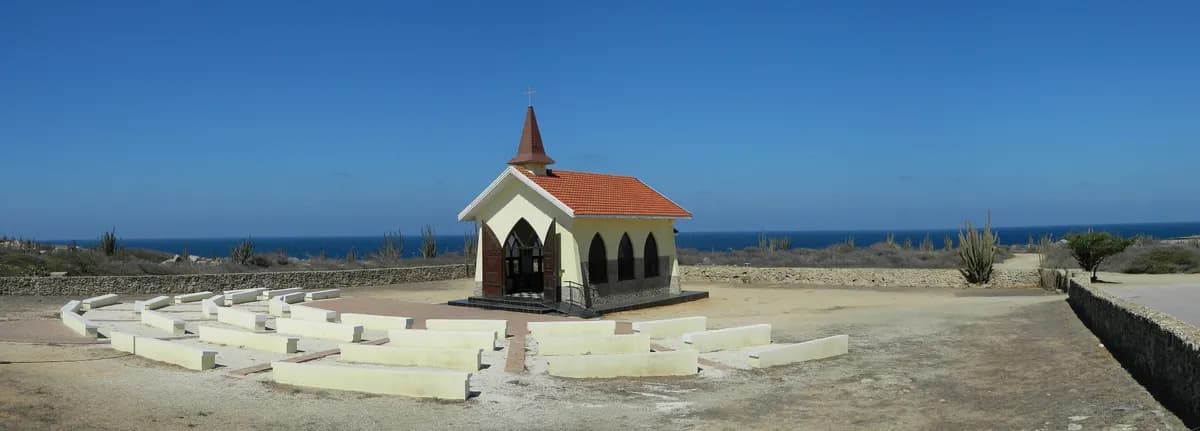
Noord
This guide covers Noord. Explore more about this destination.
View DestinationAbout the Author
Alex Borshch
Founder and editor of the Isla365 network. Spent six months living in the Dominican Republic over the 2013-14 winter, and has since wintered in Thailand, Vietnam and Turkey. Writes and edits the guides across the network.
Photo gallery
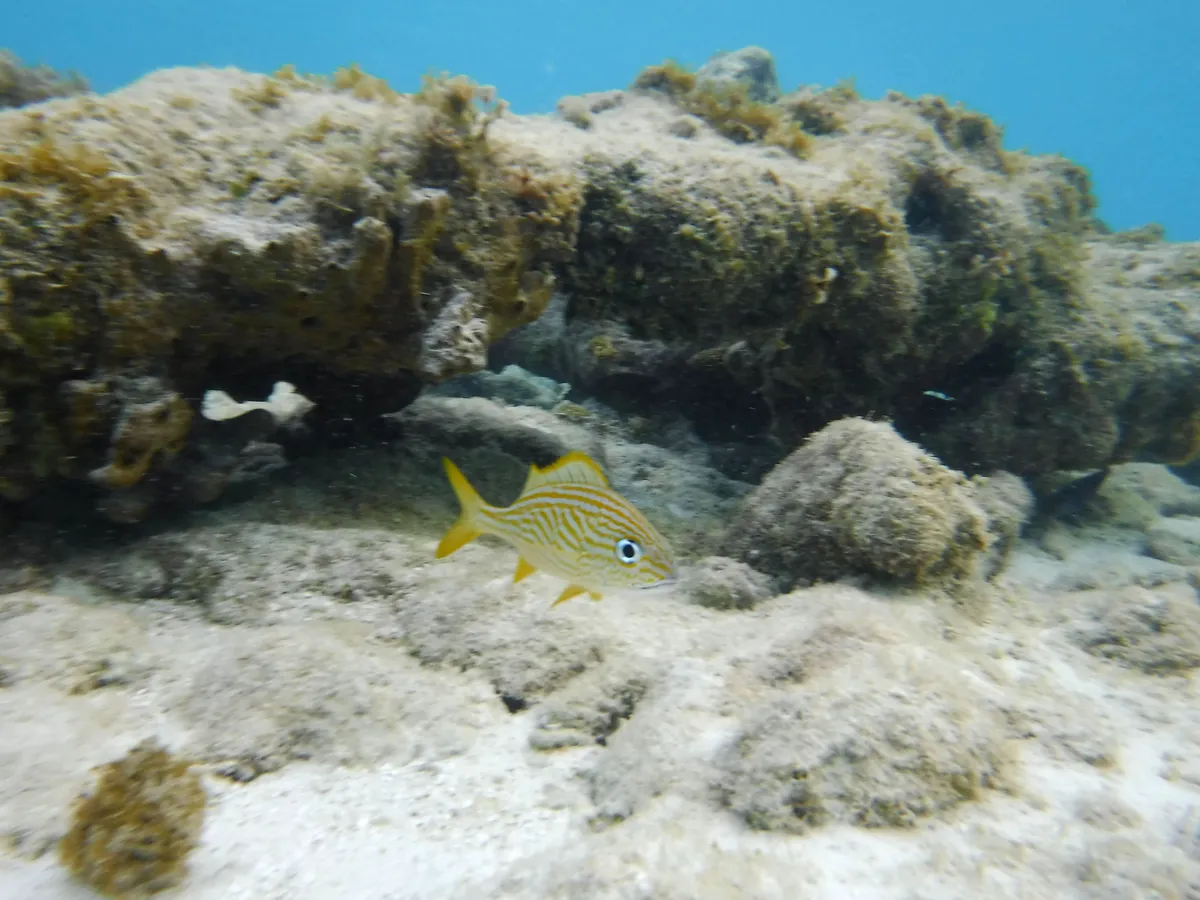
Underwater view at Mangel Halto, Aruba
Photo: Ginelly.Q via Wikimedia Commons · CC0 (http://creativecommons.org/publicdomain/zero/1.0/deed.en)